18/07/2026
BJJ for Kids with ADHD: What Northern Virginia Parents Should Know
Why the structure of jiu-jitsu tends to work for kids with ADHD, and what the research actually says.
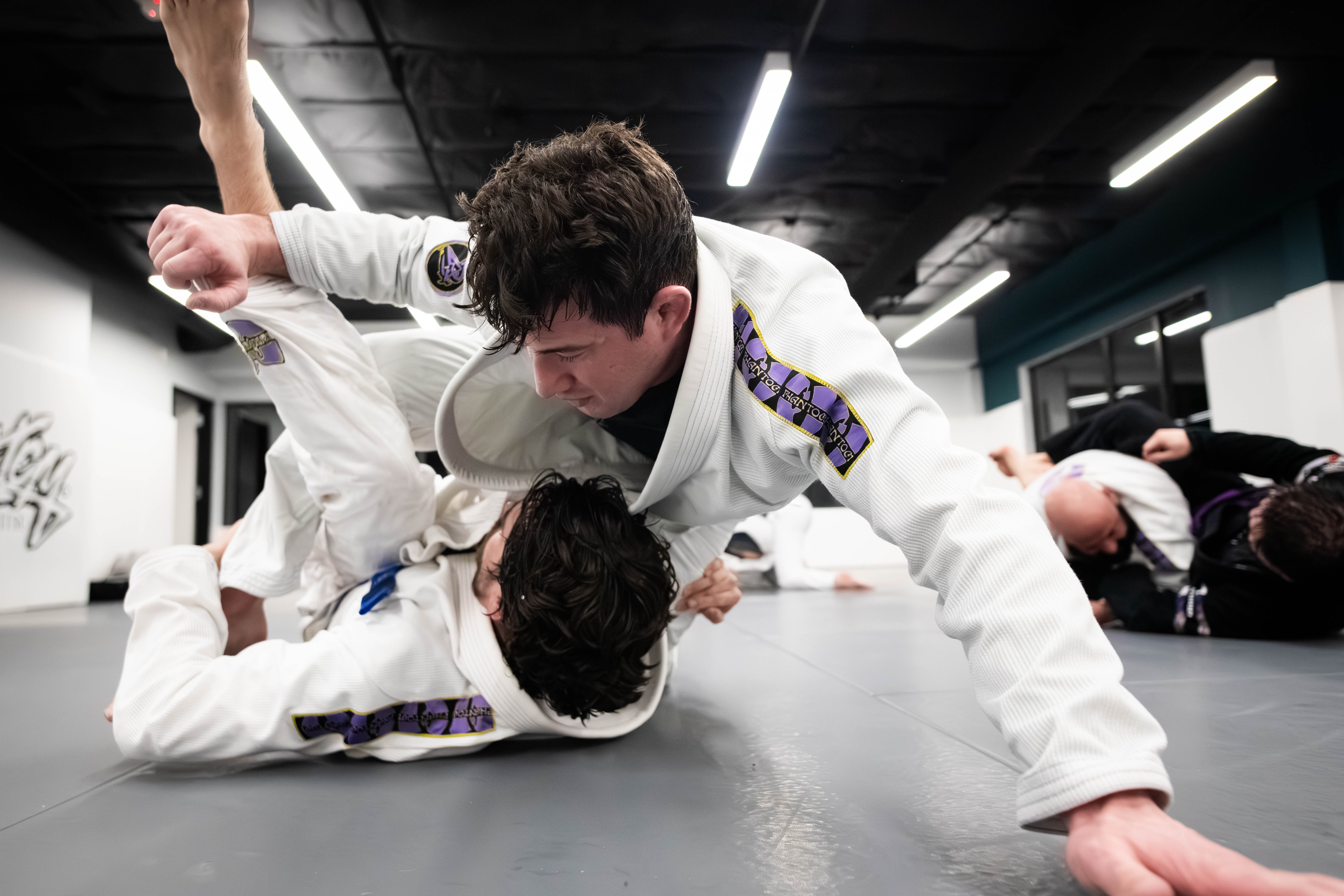
BJJ for Kids with ADHD: What Northern Virginia Parents Should Know
If you're a parent of a kid with ADHD, you have already tried more activities than you can count. Some worked for a few weeks. Some didn't work at all. A few probably made things harder. So when someone tells you that Brazilian jiu-jitsu might be a good fit, the reasonable response is skepticism.
Here's the honest case:
What the Research Actually Says
Peer-reviewed studies on martial arts and ADHD are consistent in direction. Research published in journals covering attention disorders has found that structured martial arts training improves selective attention, working memory, and impulse control in children with ADHD. A judo-based randomized controlled trial specifically found gains in visuospatial working memory. BJJ shares the same structural features that make those trials work: high physical demand, clear rules, immediate feedback, and one-on-one focus with a coach or partner.
Nobody is claiming BJJ replaces medication or therapy. It's a complement, not a substitute. Talk to your pediatrician; but, the evidence that it helps is real, not marketing.
Why the Structure Fits
A well-run BJJ class runs on a rhythm that tends to work for kids with ADHD. Short instructional blocks. Immediate physical application. A training partner whose attention you can't ignore. A coach whose attention you can't ignore either. The class demands presence in a way that a lot of activities don't, and the presence is enforced by the sport itself, not by an adult repeating instructions.
For kids who have spent years being told to sit still, focus, pay attention, and stop moving, the fact that BJJ requires them to move constantly while also demanding focus is a physiological relief. The energy goes somewhere. The attention has a target. The frustration has an outlet.
What to Expect in the First Few Months
Progress is uneven. Some kids click in the first week. Others take two or three months to settle. The parents who report the best outcomes are the ones who commit to a three-month runway before evaluating impact, and who tell the coach up front that their kid has ADHD so the coach can adjust accordingly.
The most consistent parent feedback around the two-to-three month mark is that homework goes better, transitions are easier, and their kid seems calmer overall. This is not a promise. This is what shows up most often.
What to Look For in a Gym
Small class sizes matter more for kids with ADHD than for neurotypical kids. Coach attention is the mechanism, so look for a program where a single coach isn't trying to manage twenty kids alone. Ask about their experience working with kids on the spectrum or with attention-related diagnoses. A good program will have specific answers, not vague reassurance.
Watch a class. Watch how the coach handles a kid who's checked out mid-drill. That's the moment that tells you everything about whether the program will work for your kid.
Phantom Jiu-Jitsu's kids' program serves families across Northern Virginia, with regular students from the Alexandria and Ashburn areas. Trial classes available, no gear required.
18/07/2026
BJJ for Kids with ADHD: What Northern Virginia Parents Should Know
Why the structure of jiu-jitsu tends to work for kids with ADHD, and what the research actually says.

18/07/2026
BJJ vs Karate vs Taekwondo for Kids: A Northern Virginia Parent's Guide
An honest comparison of the three most common kids; martial arts, from a BJJ gym.
22/05/2026
What Separates a Good Kids' BJJ Academy in Northern Virginia from a Great One
The criteria that actually matter when choosing a kids' martial arts program in NoVA.